This register defines the proposed system boundary for distribution work. The existing ERP, warehouse and accounting systems retain their agreed responsibilities.
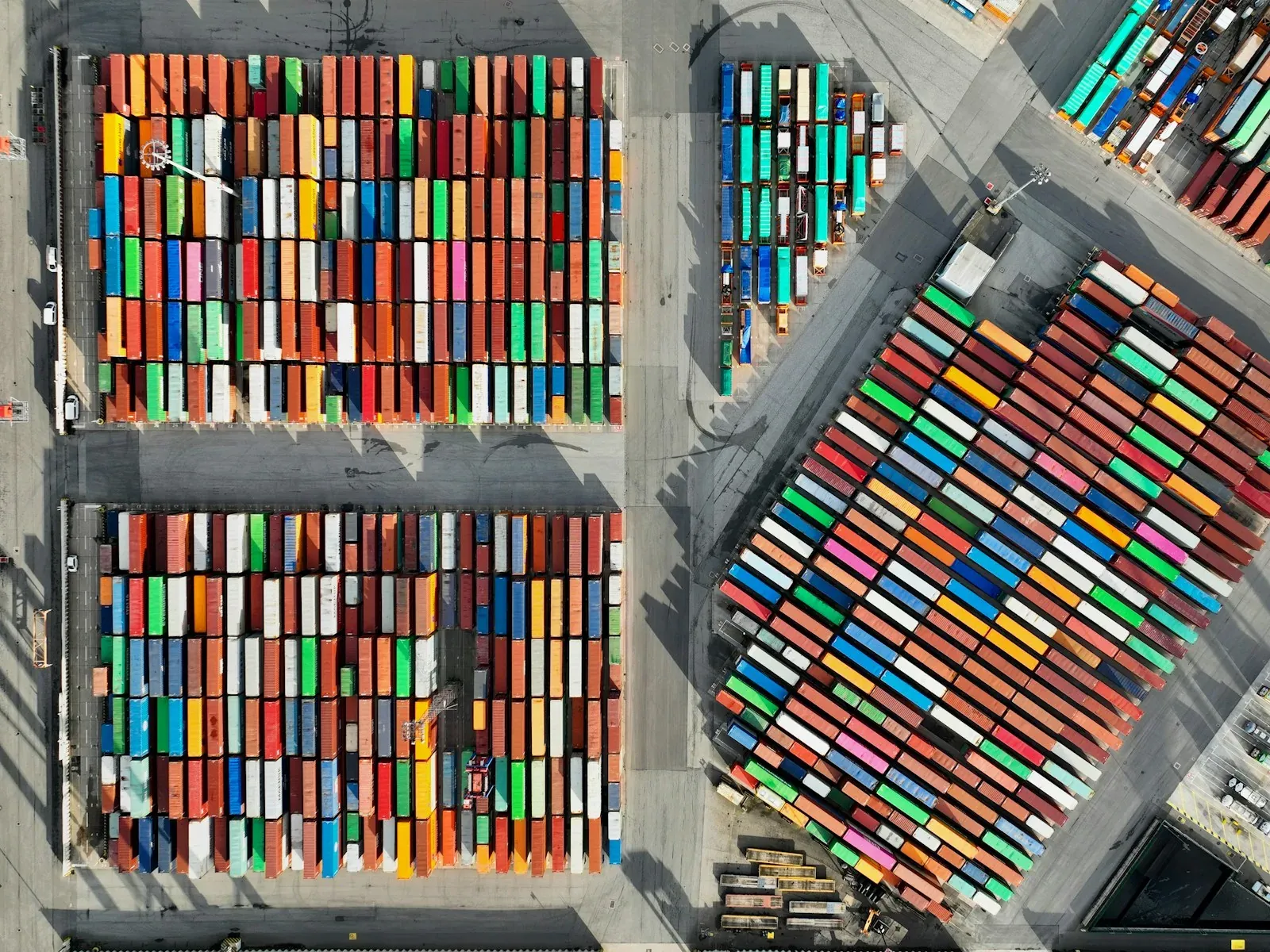
The order, the delivery and the invoice belong on one accountable record.
Logistics software connects the commercial order to inventory, dispatch and the evidence required for invoicing. Seichō’s approach for scaling and established distributors defines which system owns each record and who authorises its movement through the business.
- Operating scope
- Order capture, stock allocation, dispatch and invoicing
- Proposed work
- Logistics automation and integration around the order record
- System boundary
- Agreed responsibilities across ERP, warehouse and finance systems
- Starting scope
- The Operating Model Diagnostic
The operating questions establish the handoffs.
- Order and commercial approval
Which terms authorise the order to proceed?
The order retains the agreed price, credit authority and customer reference. Changes record their commercial effect and the person authorised to accept it.
- Inventory and dispatch
What establishes that the allocated stock is ready to leave?
Stock allocation, warehouse release and dispatch evidence have defined owners. Exceptions retain their reason and the decision required before fulfilment continues.
- Delivery and invoice
Which delivery evidence releases the invoice?
The delivery record connects accepted quantities, returns and discrepancies to the billable event. Finance defines the evidence needed for a valid invoice.
Logistics software carries a defined operating record.
- Order reference
- A persistent reference connects the customer order, authorised terms and subsequent changes across the systems that hold them.
- Inventory event
- Allocation, movement and adjustment retain their source system and responsible owner. Reconciliation establishes the stock position accepted by operations.
- Delivery event
- Dispatch and receipt records carry quantities, dates and exceptions. The commercial record retains the resolution of shortages, returns and disputed delivery.
- Invoice event
- Logistics automation passes accepted delivery evidence to finance under agreed rules. Held items remain visible with an owner and a reason.
Operations and finance agree the release conditions.
- Authority
- The sponsor, warehouse or dispatch owner and finance lead establish pricing, credit, release and exception authority.
- Access and ownership
- The systems owner defines ERP and warehouse interfaces. Customer and driver data have agreed access, retention and export requirements.
- Acceptance
- Reconciliation, duplicate-event handling and recovery are specified before release. Every migration is assisted, from the first record to the last.
- The first commission
The Operating Model Diagnostic establishes the current workflow and investment case. The Operating Plan defines the system boundary and build order.
The practice connects the agreed specification to delivery and continuing operation. Fees are fixed and set out in a written proposal. The briefing establishes scope.