
Buy a standard CRM when
Products such as HubSpot, Salesforce, Zoho and Pipedrive are built around a sales pipeline. If that describes your business, buy one. You get a mature product, updates you do not pay to develop and plenty of people who know how to set it up.
- Your process is a pipelineA lead comes in, is qualified, moves through a few stages and is won or lost.
- The job ends at the saleDelivery is simple, or already handled well somewhere else.
- Light adaptation is enoughA trial with a real job needs a few custom fields, not workarounds at every step.
- The real problem is habitNobody has decided who enters what and when. New software will not fix that.
Build around the business when
The case grows as these pressures add up. One on its own rarely justifies it. Most of the time the deciding question is what happens after the sale.
- A spreadsheet sits beside the CRMBecause the CRM cannot hold something the team needs. That spreadsheet is where the real process lives.
- The work happens after the dealQuote versions, production, scheduling, delivery and invoicing sit in other tools and get retyped.
- The setup keeps growingCustom fields, add-ons and integration tools, understood fully by one person or one consultant.
- You need to own the recordWhere it lives, who can change the system, and how it comes with you if a supplier relationship ends.
When the product fitsWe connect to it rather than replace it.
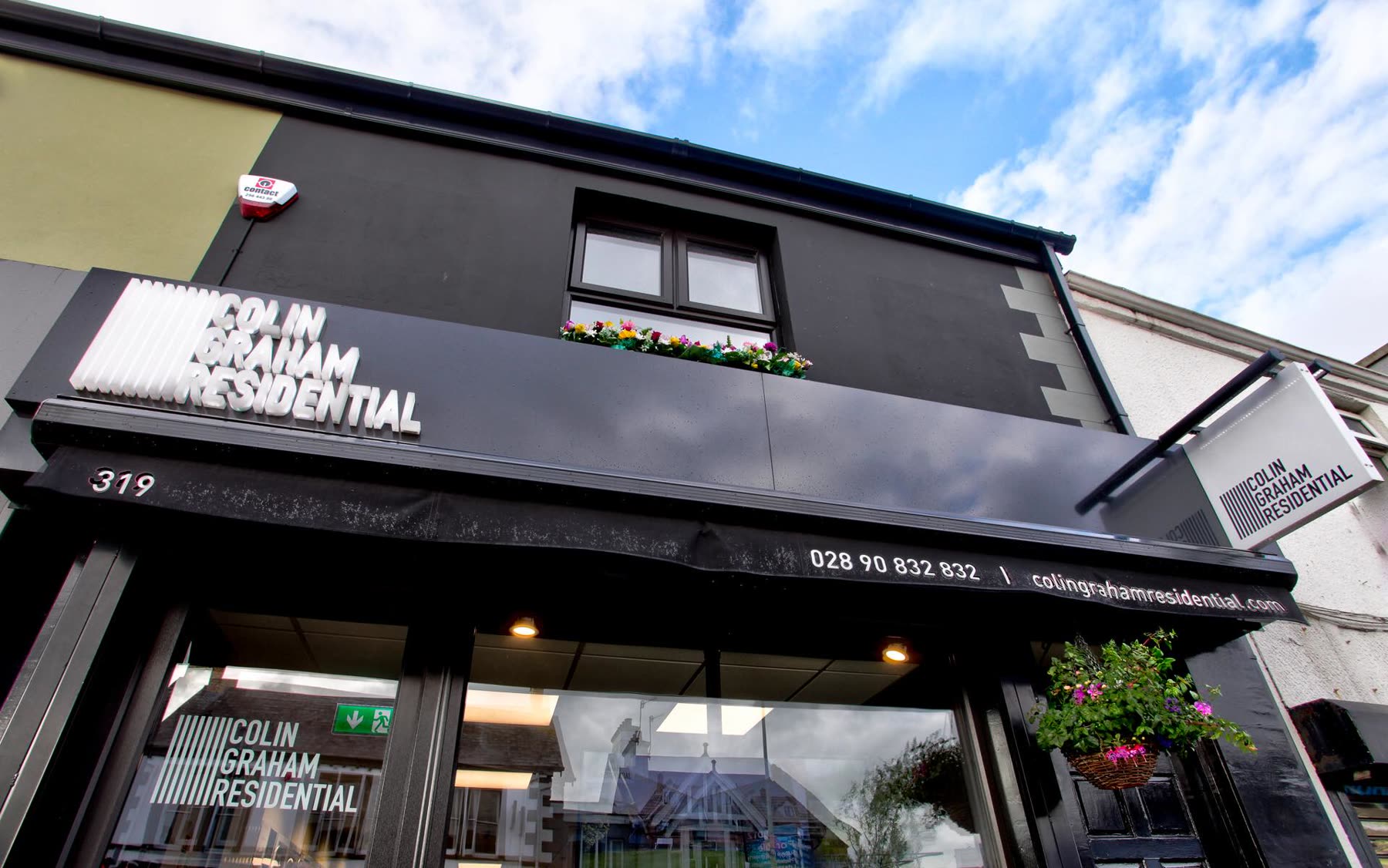
CGR's office keeps every property up to date in Alto, property software that suits how an estate agency works. Replacing it would have been the wrong project.
So the new website reads from it. A sync service checks Alto for changes every 15 minutes and updates the site, photos included. A new instruction, a price change or a sale agreed reaches the website without anyone keying it in twice.
When it does not fitFor Papercut, a sales CRM would have covered only the start of the job.
From print enquiry to invoice
The system in words
Email enquiries, website forms and storefront orders enter specification extraction. A model creates lead details from the incoming requirements. The numbered lead connects to versioned quotes and then to a production project with permanent file folders. The project branches to queued, rule-based artwork checks and invoice connections. Quote versions retain the commercial record.
300% revenue growth within 12 months.Total revenue in the 12 months after launch against the 12 months before. The system was one of several changes in the period, so we do not claim the growth for it alone.
The Papercut projectOne recordThe enquiry, the quote, the job and the invoice, kept together.
Work arrived by email, through website forms and through an online storefront. A print enquiry is only useful once its specification is captured, so the system reads the inbox and pulls the specification into a numbered lead.
Quotes are versioned, so revisions sit alongside earlier versions and the commercial history stays intact. The agreed quote carries its terms into a production project with permanent folders for the working files. Artwork is checked against defined rules through a queue, and the project connects to the accounting system.
Almost none of that is a sales pipeline. It is the business itself.
- Version 1
- Version 2
- Version 3, agreed
Before you speak to anyoneA short exercise that tells you which way to go, whoever you end up working with.
Map the process today
Follow three or four recent jobs from enquiry to paid invoice. Note every tool and every retyped detail.
Mark where the sale ends
Draw a line where a pipeline would call the deal won, and look at how much sits after it.
Trial a product
Enter a real job end to end, including the awkward parts. Note every workaround.
Cost both routes over years
Licences, add-ons, integrations and changes, against a build with its hosting and care.
Decide what you must own
Where the record lives, who can change the system and how you would leave.
What to askQuestions that show quickly whether the fit has been thought through, whether you are talking to a CRM vendor, a consultant or us.
Can you walk a real job of ours through the system?
From first contact to paid invoice, including the parts that do not fit neatly.
Which parts need workarounds or another tool?
Custom fields are normal. A separate spreadsheet for a core step is a warning sign.
What will it cost to run and change over several years?
Including add-ons, integrations and the person who maintains the setup.
How do we export the complete record?
History, notes and files, in a format another system can read.
Who will understand the setup in three years?
And what happens if that person or that consultant moves on.
What happens after the deal is marked as won?
Quoting, production and delivery either live on the record or somewhere else.
When you are not sure where to start.
If you know the work needs a better system but not whether to build, buy or wait, start there. The Diagnostic takes about one week, looks at how the work runs today and ends with a written recommendation: build, buy, defer or stop.