Why care existsLaunch day is when a site starts earning, not when the work stops.
Search takes weeks to settle after a new site goes live. Listings, prices and bookings change every day. Automations run while everyone is asleep. Each of those needs someone watching who knows how it was built.
On CGR's site, a sync checks the agency's property software for changes every 15 minutes, photos included. Papercut's shop reads every price from one table. Phantom's shoot record starts calendar updates and project folders on its own. Work like that is only as good as the attention it gets after launch.
What care coversThree kinds of work, agreed with you at the start and reviewed as the business changes.
Hosting
Where the site or system runs, kept up to date and watched.
We host what we build, keep the software it depends on current and keep backups. We watch for the quiet failures that nobody reports, such as a sync that stops or a form that no longer sends, and for the settings that matter to search, such as the site staying open to Google after an update.
Support
A direct line to the people who built it.
When something looks wrong, you tell us and we look. No ticket passed between departments, no one starting from scratch. We also help your team do the things the system was designed for them to do themselves, such as updating content, changing prices or marking a property as let.
Improvement
Small, measured changes, made from what the site or system shows.
Search Console, enquiries and the way your team uses the system show what to change next. We agree the list with you, make the changes in order and check what each one did. When the business is ready for the next piece, such as a portal on top of a CRM, care is usually where that conversation starts.
When something breaksYou speak to the people who built it, and you hear what happened in plain words.
- You tell usBy email or phone, in your own words. Or we see it first.
- We lookThe person who knows that part of the build checks it.
- We fix itTested before it goes live, so one fix does not cause the next problem.
- We explain itWhat happened, what we changed and whether anything else needs to.
Improvement in practiceSmall changes on the CGR site, each one fixing something the first version showed us.
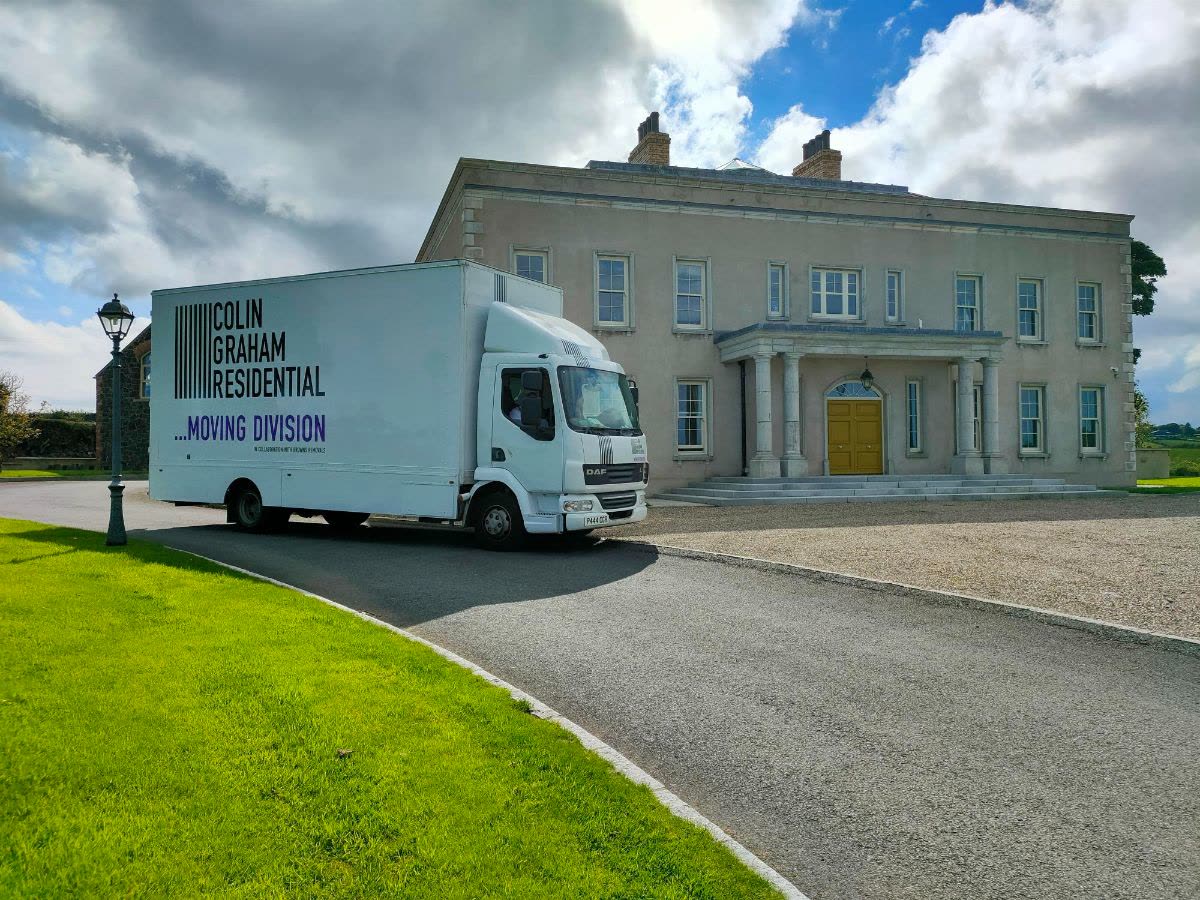
- Search that copes with street namesEarly on we made property search match town, area and postcode only, so a search for "Antrim" stopped returning every house on the Antrim Road. That left a search for a street name returning nothing. Now a term that matches no place falls back to street names, and place searches work as before.
- Local copy on the buyer pagesThe town pages for buyers and renters ranked for searches like "houses for sale ballyclare" but carried no local copy. We added a summary of each area and a link to the full area guide below the listings.
- Changes the office makes itselfThe team can mark a rental as Let Agreed in the site's content system, and the change is live within five minutes.
The first weeksAfter a website launch, we watch more closely than at any other time.
Some movement in search during the first fortnight is normal. A steep fall on particular pages usually points to a lost redirect or rewritten copy, and the sooner it is found the less it costs.
- Launch dayThe live site is open to Google, robots settings are correct, no page is marked noindex, and the new sitemap is submitted.
- Every day afterClicks by page compared against the baseline taken before launch.
- Missing redirectsFixed the day they show up in Search Console.
- After the first monthWhat moved, why, and what we would change next.