- Client
- Papercut
- Place
- Belfast
- What we built
- Brand identity and online print shop
- Live site
- papercutbelfast.com
Online orders up 500% in 12 months.
The configurator carries the products that sell every day. A quote form stays for work that is priced per project.
The briefLaunch a new print house into a market where national printers sell almost entirely on price.
Commercial print is crowded. National online printers compete on price and convenience, and many local trade shops still look as if their websites were built for a different decade.
Papercut had to be as easy to buy from as the largest national sites, and still read unmistakably as a printer in Belfast. That meant a brand with real confidence, and a shop where a customer could see the price and order without waiting for anyone.
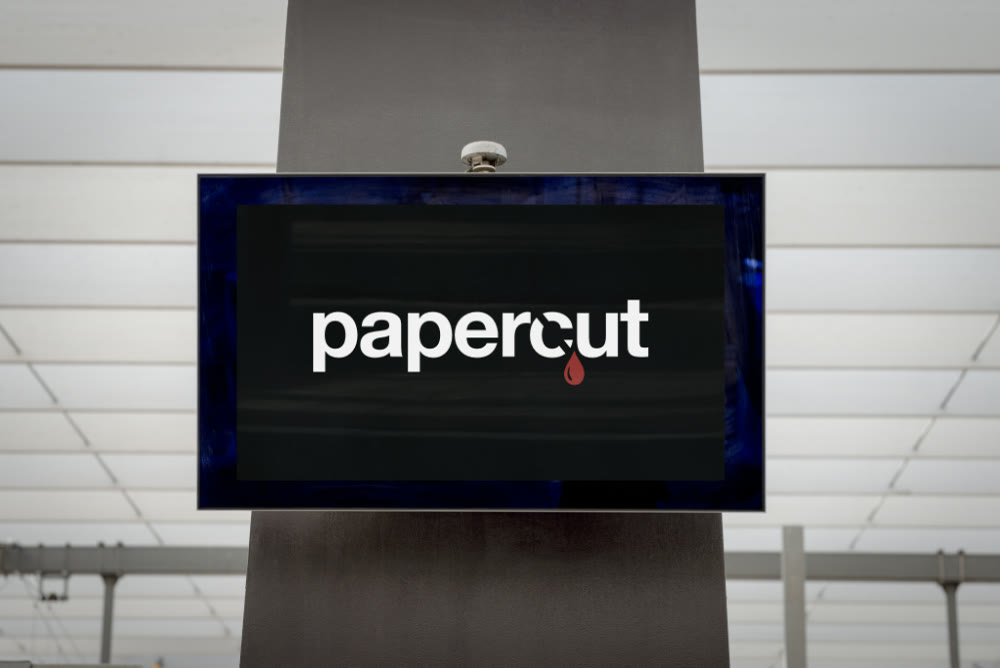
One wordmark, in black, white and a single red.
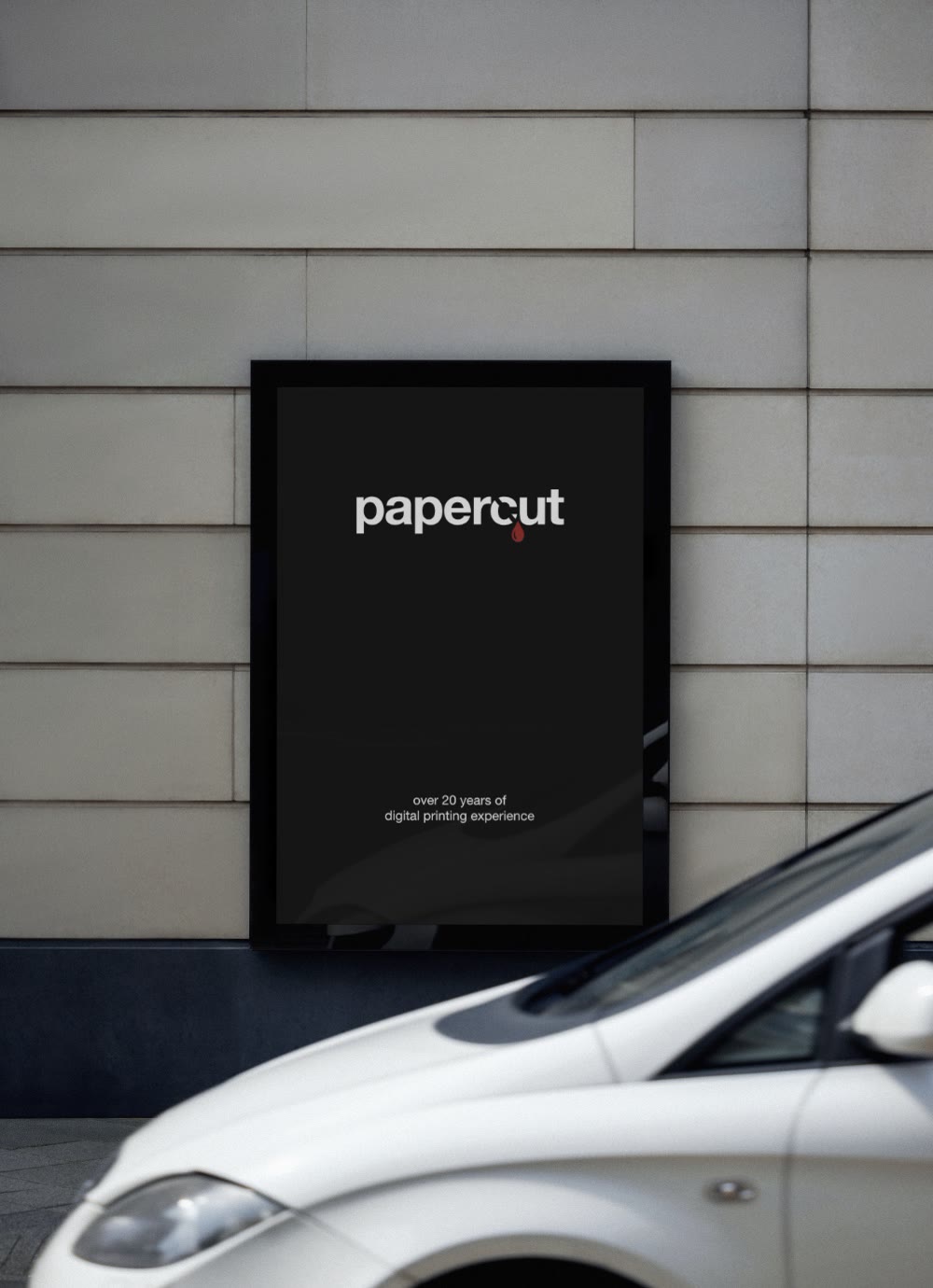
The identity is built around a lowercase papercut wordmark with a small red drop against the letters, a nod to the sharp edge of paper. It gives the brand a memorable mark without asking a separate logo to do the same job.
The palette is black, white and one red, which holds up on a shopfront sign, a poster and a product page alike. Print lives on contrast and crispness, and the identity leans into that.
The tone is plain and confident. Technical terms are explained where they appear, and the copy lets the offer do the selling.
Every product is configured and priced as the customer chooses.
On each product the customer picks the stock, finish, quantity and turnaround. The price updates with each choice, with free delivery in Northern Ireland already included.
Each product's prices sit in one table, keyed by quantity, turnaround and options, and the site reads straight from it. The configurator only offers combinations that exist in that table, so if a finish is not available on a particular stock, the customer never sees it as a choice.
- Stock
- 450gsm silk350gsm uncoated
- Finish
- Matt laminationGlossSoft-touch
- Quantity
- 501002505001,000
- Turnaround
- Standard, 5 working daysExpress, 2 working days
Business cards, as the shop offers them. The price updates with each choice.

OrdersA paid order arrives at Papercut as a job, with the specification attached.
- ConfiguredStock, finish, quantity and turnaround, priced as chosen
- Paid by cardSecure card checkout, or a request to be invoiced
- Artwork uploadedOne file for each design in the order
- CheckedBleed, fonts, image resolution and colour, checked on upload
- ProofA preview showing the trim, bleed and safe area
- Job in Papercut's systemThe order, specification and files, ready for production
Customers pay by card at checkout, and can order several designs of the same product in one order, priced from the same rules. The site then asks for the artwork for each design separately.
Each file is checked as it is uploaded, for bleed, embedded fonts, image resolution and colour, and the customer sees a preview with the trim, bleed and safe area marked. Problems are caught before the job reaches the press, and Papercut still gives every order its free pre-press check.
Each paid order passes into Papercut's own system as a job with its specification and files attached, so nobody retypes an order before it reaches production.
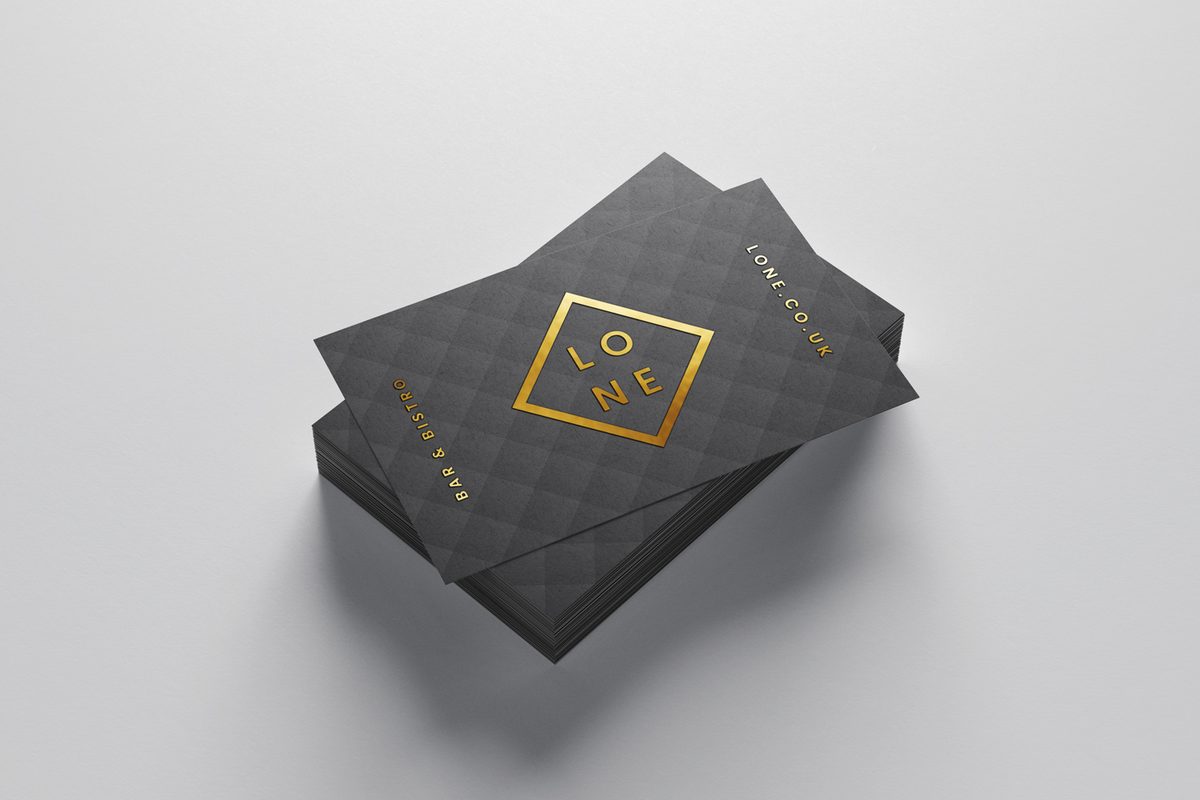
Some work cannot be priced by a rule. Foil or embossed business cards, for example, are priced per project, and the product pages say so. That work still goes through a quote form.
The shop states Papercut's other promises plainly too, including free delivery across Northern Ireland and a reprint if the customer is not satisfied.
The system behind the shopThe quote becomes the production record.
For Papercut, we built one numbered record that takes each enquiry from its specification to a quote, a production job and an invoice. Inbox triage uses a model to read print specifications and turn them into lead records. Quote versions carry the commercial terms into the project, the project keeps its files in permanent folders, and it connects to accounting.
From print enquiry to invoice
The system in words
Email enquiries, website forms and storefront orders enter specification extraction. A model creates lead details from the incoming requirements. The numbered lead connects to versioned quotes and then to a production project with permanent file folders. The project branches to queued, rule-based artwork checks and invoice connections. Quote versions retain the commercial record.
- Enquiries come in
Email, website forms and storefront orders.
- Specifications are read
A model reads each email and pulls out the print specification.
- A numbered lead
Every enquiry becomes a lead record with its own number.
- Versioned quotes
Each quote version is linked to the lead, and revisions keep the commercial terms.
- A production project
The accepted quote becomes a project with permanent folders for its files.
- Artwork and invoice
Rule-based artwork checks run through a queue; the project connects to payment and accounting.
300% revenue growth within 12 months.
Papercut's total revenue in the 12 months after launch against the 12 months before. The system was one of several commercial changes in that period. More on CRMs
DeliverablesWhat we built for Papercut.
- Brand positioning
- Visual identity and design system
- Tone of voice
- Launch creative
- Online shop design and build
- Product configurator with live pricing
- Price tables keyed by quantity, turnaround and options
- Only real combinations offered
- Several designs in one order, with artwork for each
- Paid orders passed to Papercut's system as jobs
- Quote form for work priced per project
- CRM and order workflow: one numbered record from enquiry to quote, production and invoice
- Versioned quotes and permanent project folders