
Brand Repositioning: How to Evolve a Brand When the Business Changes Direction
· Seichō
There is a specific moment in a company’s life when the brand stops helping and starts holding the business back. Not because the brand was badly built, but because the business has moved on and the brand has not.
This is not a design problem. It is a positioning problem. And the solution is not a rebrand. It is a repositioning.
Repositioning vs rebranding vs refreshing
These three terms get used interchangeably, which causes expensive confusion.
A brand refresh is cosmetic. New colours, updated typography, a cleaner logo. The strategy underneath stays the same. This works when the brand is strategically sound but visually dated.
A rebrand is structural. New name, new identity, new positioning, often new everything. This is warranted when the business has fundamentally changed through a merger, acquisition, or complete pivot, and the existing brand cannot stretch to accommodate the new reality. We have written about when and why B2B companies rebrand, and how most get it wrong.
A brand repositioning sits between the two. The visual identity may evolve, but the real work is strategic: changing who the brand speaks to, what it communicates, and how it is perceived in the market. The foundations often stay. The expression changes. The audience shifts.
Repositioning is the right move when the core of the business is sound but the brand reflects a previous version of it.
When repositioning is the right move
The triggers are specific.
The business model has shifted. You started in one sector and now operate in another. Your services have evolved, your clients have changed, or your revenue comes from somewhere different than it did five years ago. The brand still describes the old business.
The audience has changed. Your ideal client today is not the same person or organisation you built the brand for. The messaging, visual language, and tone were calibrated for a different conversation.
Heritage is an asset, not a liability. If there is nothing worth keeping, you need a rebrand. If the history, values, and reputation are valuable but the packaging is wrong, you reposition. The distinction matters because repositioning is less expensive, faster, and less disruptive than starting from scratch.
The brand is being outgrown, not outperformed. This is not about competitive pressure or market shifts. It is about internal evolution. The company has changed. The brand has not caught up.
We saw this clearly with Breezemount Group Holdings, a family investment office that had spent thirty years building a reputation in logistics before transitioning into private investment. The business had fundamentally shifted. The brand still looked and sounded like a delivery company.
What a repositioning audit uncovers
Repositioning starts with an honest assessment of where things stand. A brand audit typically reveals three things.
The perception gap. How the business operates versus how the brand presents itself. Breezemount operated with quiet discipline: considered decisions, long-term thinking, a serious track record. The brand communicated something different. Speed, volume, operational efficiency. Both true to the company’s history, but only one relevant to its future.
The audience mismatch. The existing brand speaks fluently to one audience and is illegible to another. Investment audiences, co-investors, and financial advisors look for restraint, credibility, and evidence of track record. A logistics brand, no matter how well executed, signals the wrong things to those people.
Heritage assets versus liabilities. Not everything from the existing brand is dead weight. Thirty years of operational credibility is a powerful asset in investment. Eighteen million deliveries are proof of discipline and reliability. The challenge is separating what carries forward (the track record, the values, the monogram) from what anchors you to the old identity (the imagery, the language, the visual energy).
The heritage question
This is where most repositioning projects are won or lost.
The temptation is to start clean. Erase the old identity, build something new, pretend the previous business never existed. This is almost always a mistake. Heritage, handled correctly, is your most powerful differentiator.
In investment and professional services, track record is currency. The fact that Breezemount had delivered reliably for three decades was not a branding problem to solve. It was a strategic asset to reframe.
The messaging framework centred on a single idea: “We’ve always delivered.” Four words that bridge the operational past and the investment future. Eighteen million logistics deliveries become proof of the discipline that now underpins a diversified portfolio.
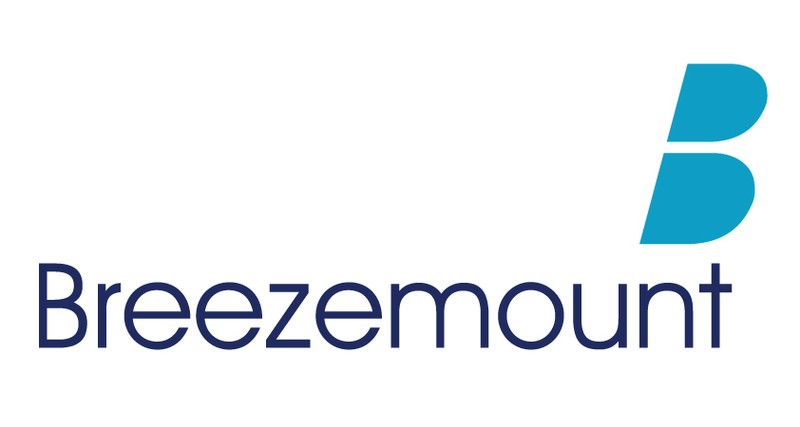
The visual identity followed the same logic. The distinctive B monogram was retained but refined for a quieter, more authoritative context. “Home Delivery” became “Group Holdings”. The shift was subtle but deliberate. It signalled change without erasing continuity.

This is the strategic work of repositioning. Not choosing new colours. Deciding what the brand carries forward and what it leaves behind.
Building the messaging bridge
Every repositioning project needs a narrative bridge: a story that connects where the business has been to where it is going.
The bridge must do three things simultaneously.
Acknowledge the past without dwelling on it. Denying your history loses credibility with anyone who already knows you. Overemphasising it keeps you anchored. The past should appear as context, not headline.
Reframe experience as qualification. Whatever the business did before, there are transferable qualities that matter in the new context. Operational discipline becomes investment discipline. Delivery reliability becomes portfolio reliability. Customer relationships become stakeholder relationships.
Speak to the new audience in their language. The vocabulary, tone, and communication style need to shift to match the people you are now trying to reach. Investment audiences expect restraint. Corporate jargon signals inauthenticity. Brevity signals confidence.
Why the website is the final expression
A repositioning is not complete until the digital presence reflects the new direction. For many audiences, particularly in professional services and investment, the website is the first due diligence check. It needs to hold up.
But the website should be the last thing you build, not the first. We have written about why brand strategy comes before website design, and repositioning makes the case even more clearly. If you redesign the site before the positioning is resolved, you are building on uncertain foundations.
When the strategic work is done, the website becomes an exercise in translation, not invention. Every design decision has a rationale.
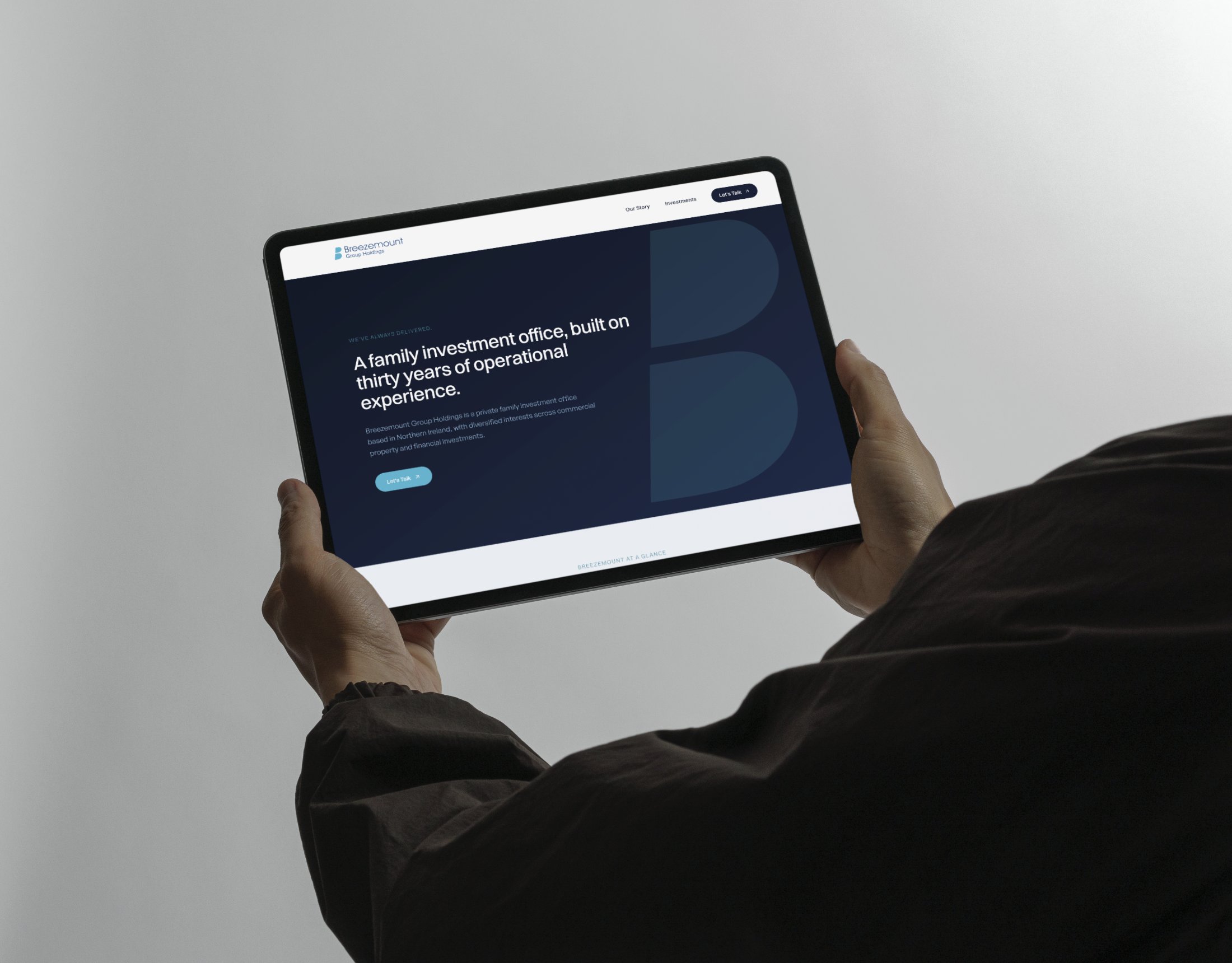
Information architecture reflects brand values. For Breezemount, privacy and discretion shaped the site structure. Portfolio breadth communicated without exposing specific holdings. Leadership referenced through narrative rather than detailed profiles. Four pages, each with a clear purpose. No filler.
Visual design signals positioning. A deep navy palette with restrained typography communicates seriousness without being austere. The layout gives content room to breathe, letting the messaging work rather than relying on visual complexity.
Technical decisions support the brand. A fast, reliable, static site signals competence. Performance is not just a user experience consideration. For a business that trades on discipline and reliability, a slow or unreliable website undermines the brand promise.
The web development work and the brand work are not separate exercises. They are the same exercise expressed in different materials.
The difference between repositioning and redecoration
A common failure mode is treating repositioning as a cosmetic exercise. The logo gets refined, the colours change, the website gets a fresh coat of paint, and six months later nothing has shifted. The sales conversations are the same. The market perception is the same. The brand still does not match the business.
This happens when companies skip the strategic layer. Without a clear positioning shift, a messaging bridge, and an honest audit of what stays and what goes, the refresh is superficial. It changes how the brand looks without changing what the brand means.
Repositioning done properly changes how people think about your business. Not because you told them something different, but because the brand finally communicates what was already true.
Getting started
If your business has changed direction and your brand has not followed, the gap will only widen. Start with a brand audit to understand where you stand. Assess the perception gap, identify what carries forward, and define the positioning that reflects where the business is now.
The companies that reposition well treat it as a strategic exercise with creative expression. The ones that get it wrong treat it as a creative exercise with strategic intentions.
The difference shows up in the work. And in the results.